

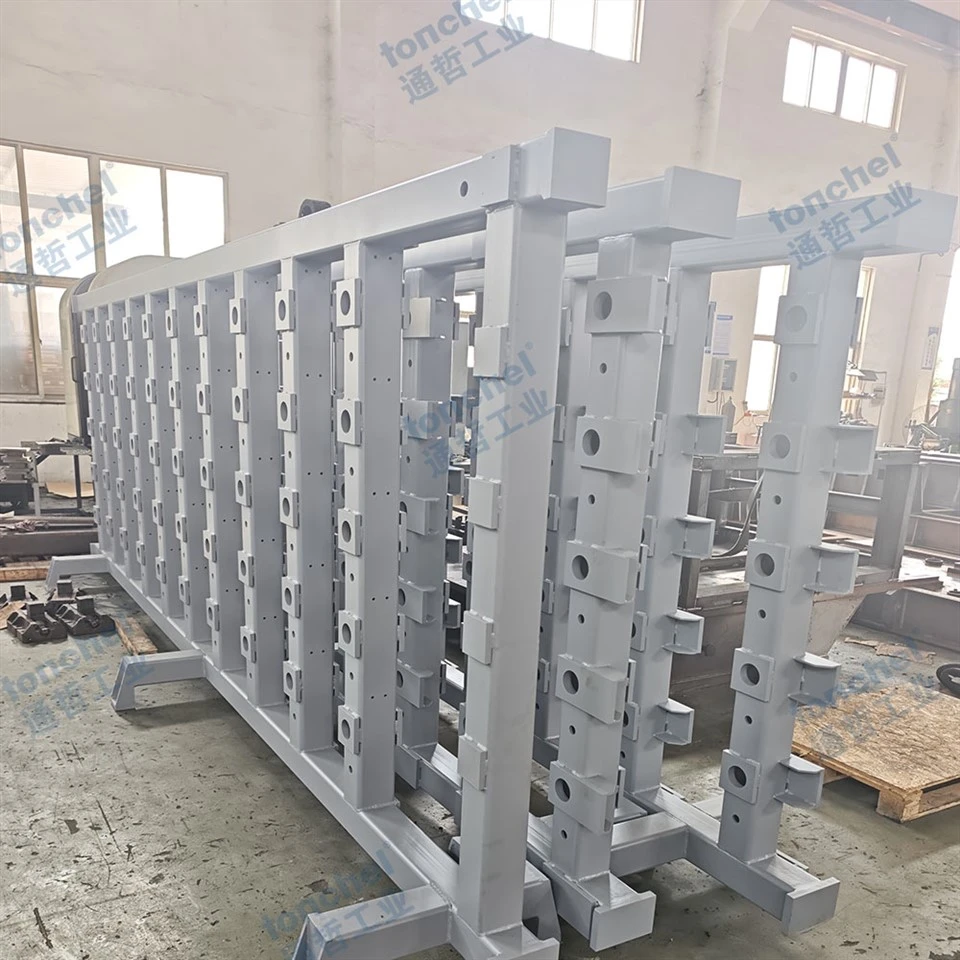


Core advantages of welding and processing accessories
for wear-resistant conveyor belt testing machine.
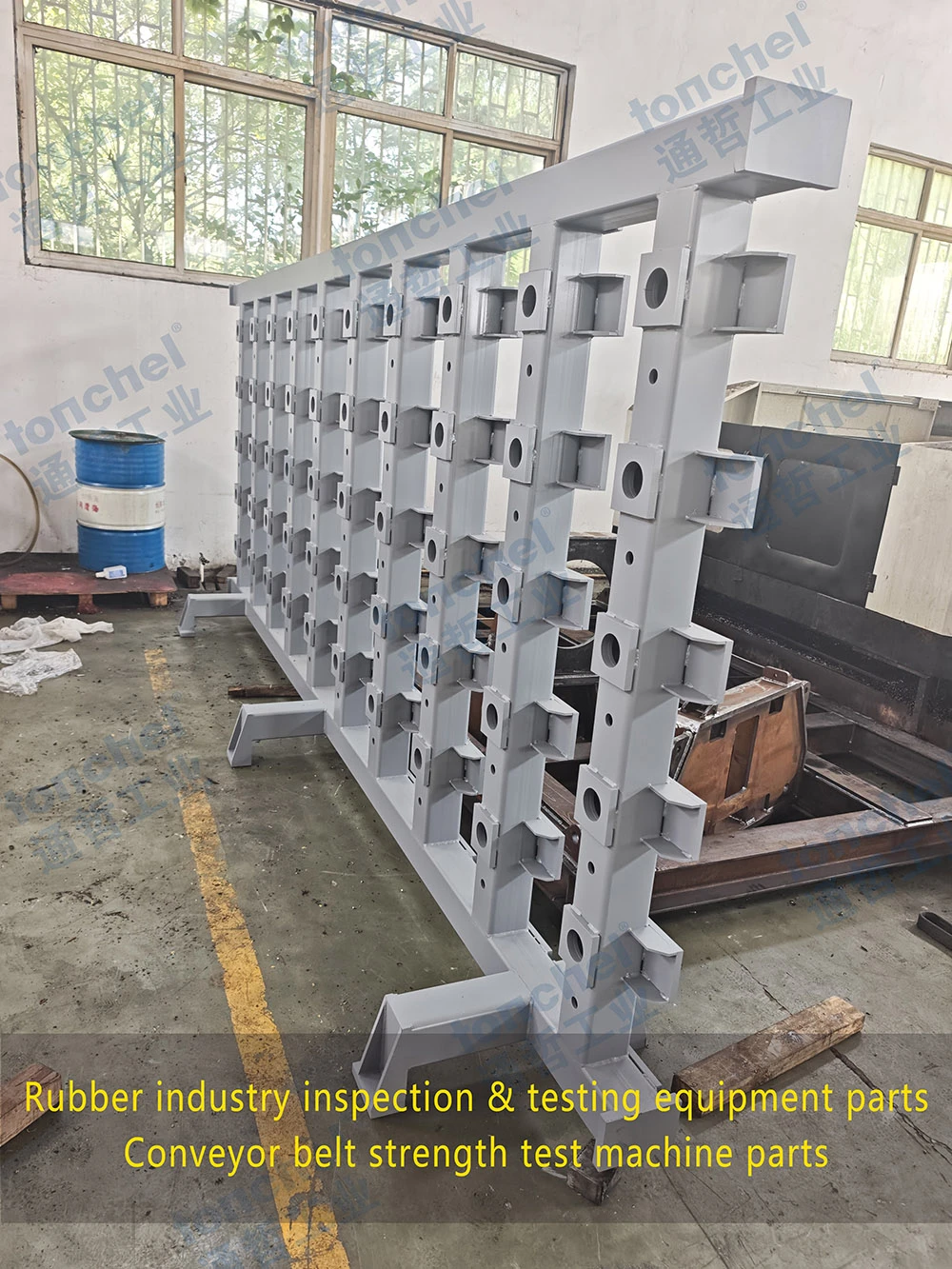
Product positioning: Metal structural components such as experimental machine rollers, friction wheels, brackets, fixtures, and bases are formed by welding and precision machining, and are used as wear-resistant testing equipment for conveyor belts and rubber belts.
Welding process advantages
1. Stable weld seam and controllable deformation:
using fixture positioning welding to reduce welding stress and deformation; Post weld aging and shaping ensure the coaxiality and parallelism of the experimental machine, avoid eccentricity and shaking during testing, and guarantee the repeatability of wear resistance test data.
2. Weld seam inspection treatment:
Grinding and inspection of key stress welds, with no porosity or slag inclusion; It is not easy to crack under high load and long-term reciprocating friction conditions, suitable for continuous durability testing.
3. Surface anti-corrosion treatment:
sandblasting/painting/blackening after welding are optional, rust resistant, and resistant to experimental dust and coolant environments, extending the service life of accessories.
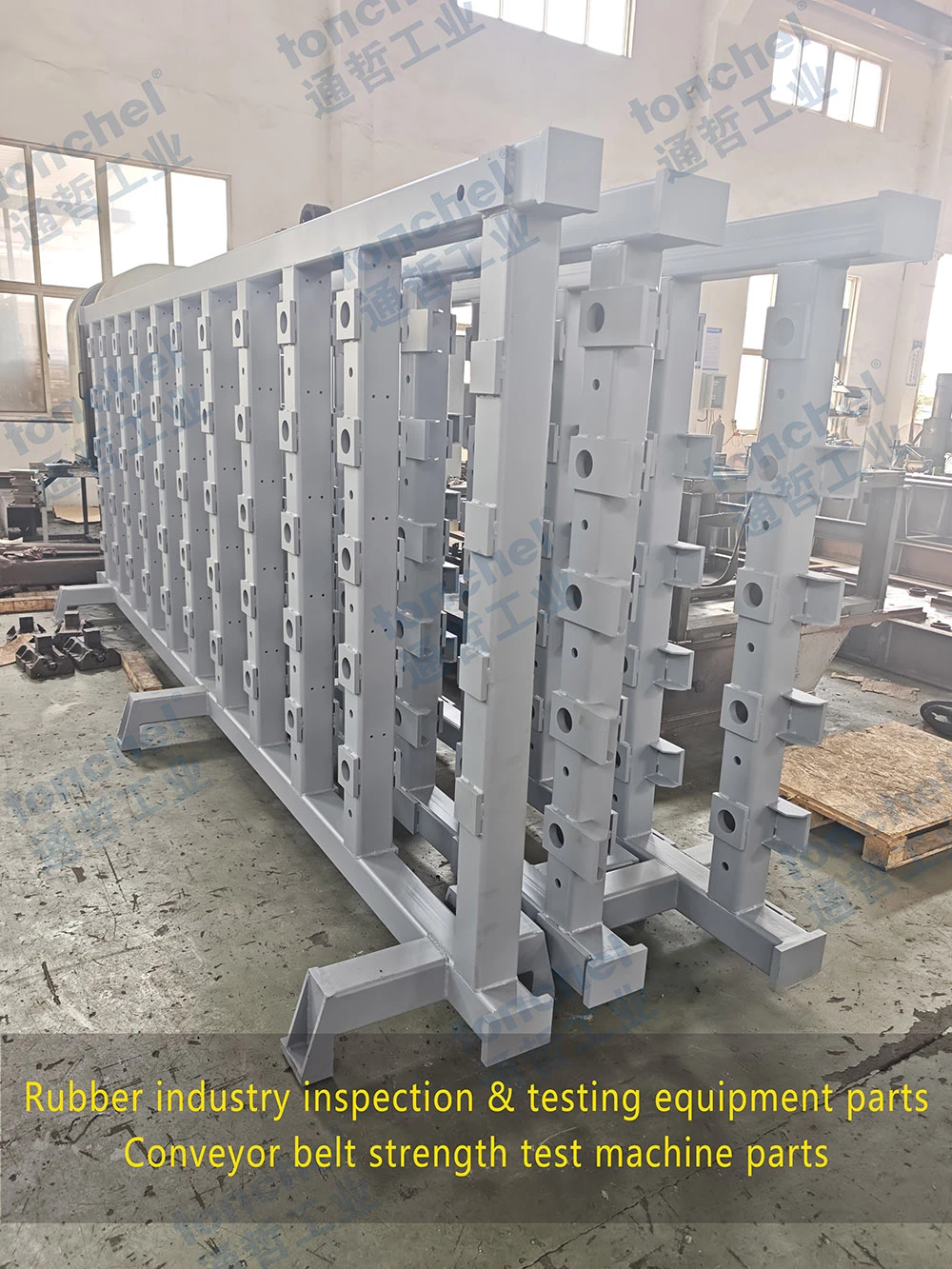
Advantages of materials and wear resistance
1. Material selection as needed:
45 # steel, alloy steel, stainless steel, etc. are optional; Friction working surfaces can be welded with wear-resistant layers, quenched and tempered to enhance their wear and impact resistance, making them suitable for long-term repeated wear tests.
2. High dimensional accuracy:
After welding is completed, secondary machining (turning, grinding, milling) is carried out with strict control of geometric tolerances; The surface roughness of the friction roller and pressure roller is uniform, ensuring consistent contact pressure of the sample and reducing test errors.
3. Strong rigidity and not easily deformed:
The thick plate+reinforced rib welding structure is not easily bent during continuous loading and reciprocating friction tests, maintaining stable test loads.
Cost and delivery advantages
1. Flexible non-standard customization:
Roller, fixture, frame, and weight support can be customized according to the wear-resistant testing machine drawings, with adjustable dimensions, openings, and positioning interfaces.
2. Integrated processing:
One stop shop for welding, machining, and surface treatment, reducing multi supplier docking errors and shortening delivery times.
3. Stable load and high testing consistency:
Welding+precision machining combination ensures small friction surface runout, uniform pressure, and reduces test data dispersion caused by human factors and components.
4. Long service life and low overall cost:
Wear resistant working surface strengthening treatment reduces the frequency of replacement of vulnerable parts, suitable for high-frequency wear resistance testing in quality inspection laboratories and conveyor belt manufacturers.
5. Support small batch test samples:
Small batch accessories for laboratory prototypes and test bench modifications can also be ordered for early testing and verification.
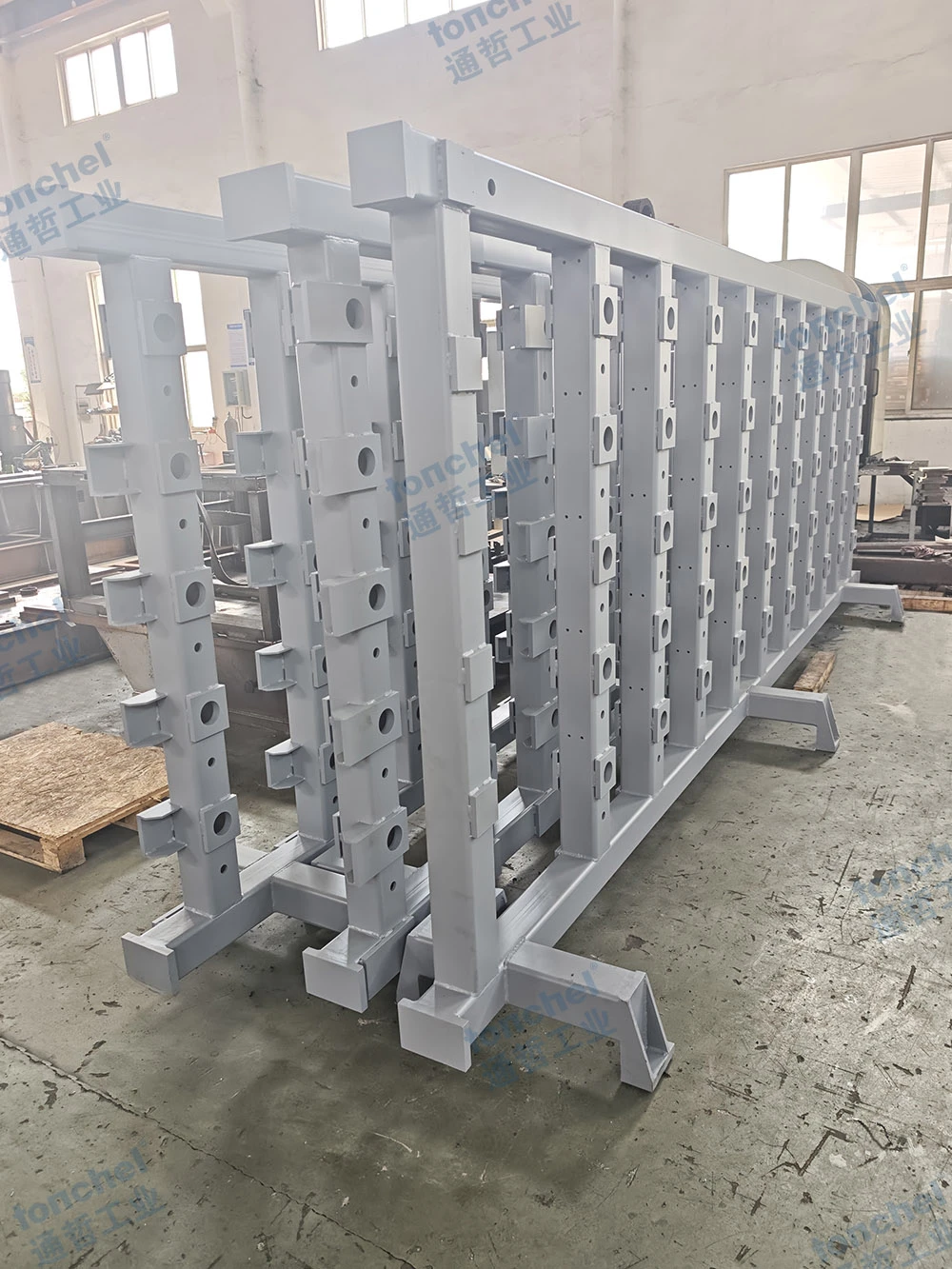
Applicable scenarios:
Welding structures such as friction rollers, pressure rollers, sample fixtures, frame bases, and loading brackets for conveyor belt/rubber conveyor belt wear resistance testing machines, roller friction and wear testing machines, and belt wear resistance and durability testing benches.
Hot Tags: components of wear-resistant conveyor belt testing machine, China components of wear-resistant conveyor belt testing machine manufacturers, suppliers, factory


