

How to Improve Laser Welding Quality: 5 Practical Tips
Handheld laser welding machines are known for their high speed, clean welds, and excellent precision. However, achieving consistent welding quality depends not only on the machine itself but also on proper settings and operating techniques.
Whether you are welding stainless steel, carbon steel, aluminum, or galvanized steel, following a few practical guidelines can significantly improve welding results.
Select the Right Welding Parameters
Stable welding begins with the correct machine settings. Laser power, welding speed, wire feeding speed, and shielding gas should be adjusted according to the material type and thickness.
Using unsuitable parameters may result in incomplete penetration, burn-through, or poor weld appearance.
Keep Consumables in Good Condition
Regular inspection of consumables is essential for maintaining stable performance.
Key components include:
- Protective lens
- Welding nozzle
- Wire guide nozzle
- Welding wire
Replacing worn or damaged consumables on time helps ensure consistent laser output and reduces production downtime.
Prepare the Material Properly
Before welding, the workpiece should be clean and free from oil, rust, paint, or dust.
Good surface preparation helps improve laser energy absorption and reduces the risk of pores, oxidation, and weak weld joints.
For aluminum and galvanized steel, proper cleaning is especially important.
Choose the Right Machine for Your Production
Different production environments require different laser welding machines.
Air-cooled models are suitable for light-duty fabrication and on-site work, while water-cooled machines provide better stability for continuous industrial production.
Choosing the correct machine improves welding efficiency and ensures long-term reliability.
Work with a Professional Equipment Supplier
Reliable equipment and technical support are key factors in achieving consistent welding quality.
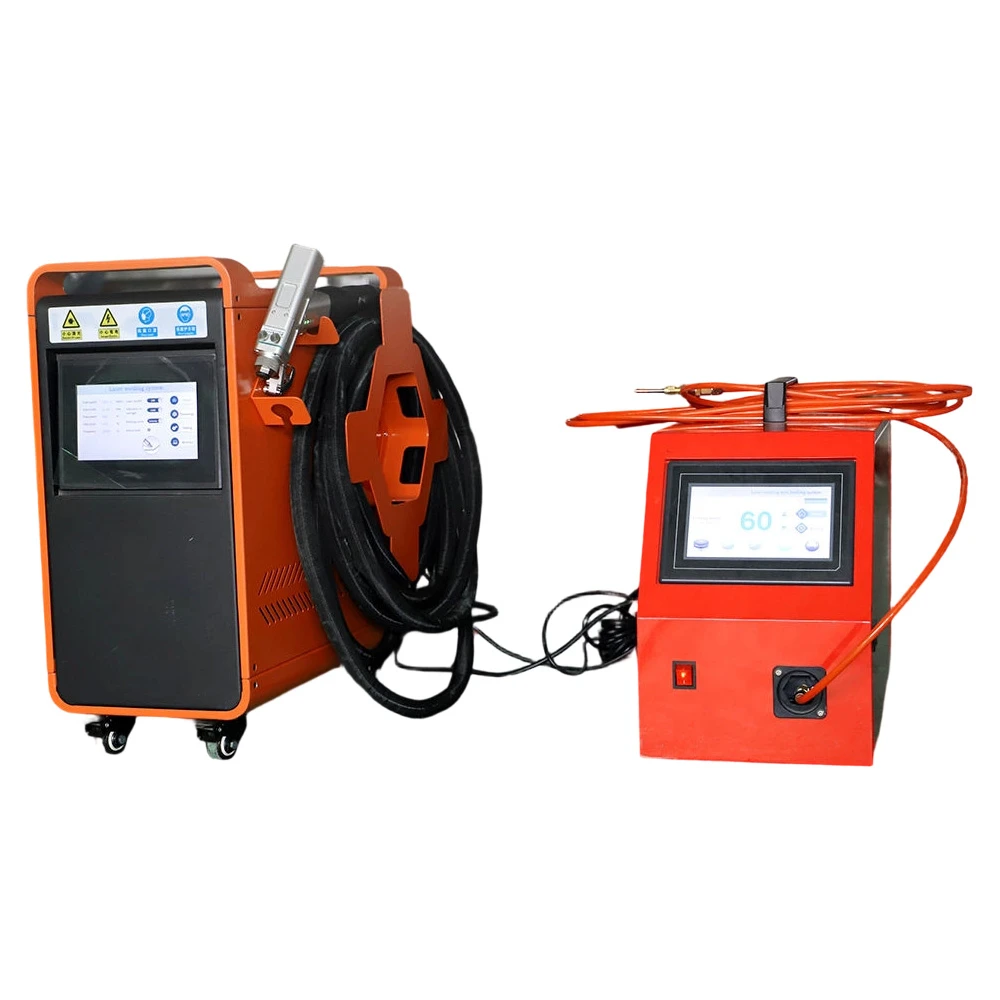
Qingdao Tonchel Industrial Equipment Co., Ltd. manufactures handheld fiber laser welding machines from 800W to 3000W, including both air-cooled and water-cooled models. The company also offers 4-in-1 laser welding machines that combine welding, cleaning, cutting, and rust removal in one system.
Tonchel provides technical guidance, welding parameter recommendations, and after-sales support to help customers achieve stable performance across different metal fabrication applications.
Conclusion
High-quality laser welding depends on the right machine, correct parameters, proper maintenance, and suitable consumables. By following these practical tips and choosing reliable equipment from Qingdao Tonchel Industrial Equipment Co., Ltd., manufacturers can improve weld quality, increase productivity, and reduce long-term operating costs.